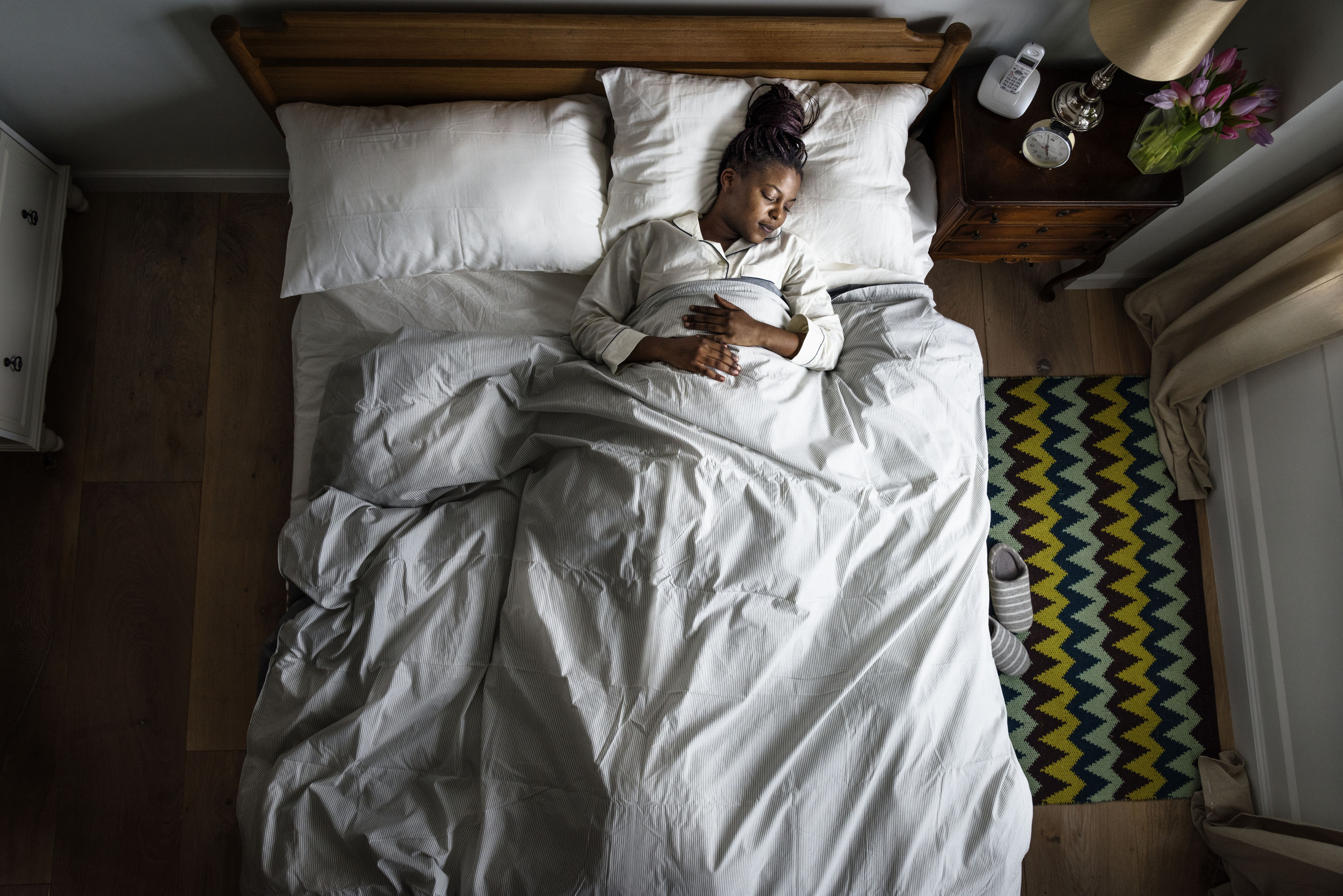
What Happens in the Brain to ‘Disconnect’ During Sleep?
Razi Berry During sleep and under anesthesia, we rarely respond to such external stimuli as sounds even though our brains remain highly active. Now, a

Razi Berry During sleep and under anesthesia, we rarely respond to such external stimuli as sounds even though our brains remain highly active. Now, a
Razi Berry Natural health products are used by many people, but almost half of naturopathic patients do not let their primary physician know, says a
Do you know your blood type? Many American’s don’t, but it can be a true vital sign when it comes to dealing with your health. Dr. Peter D’Adamo is a naturopathic physician, distinguished professor of clinical sciences, author, and much more, who is passionate about converging science and nature to find whole-body health.

Razi Berry While companies have focused on building an optimal office environment to get the best out of their employees, there may be another way
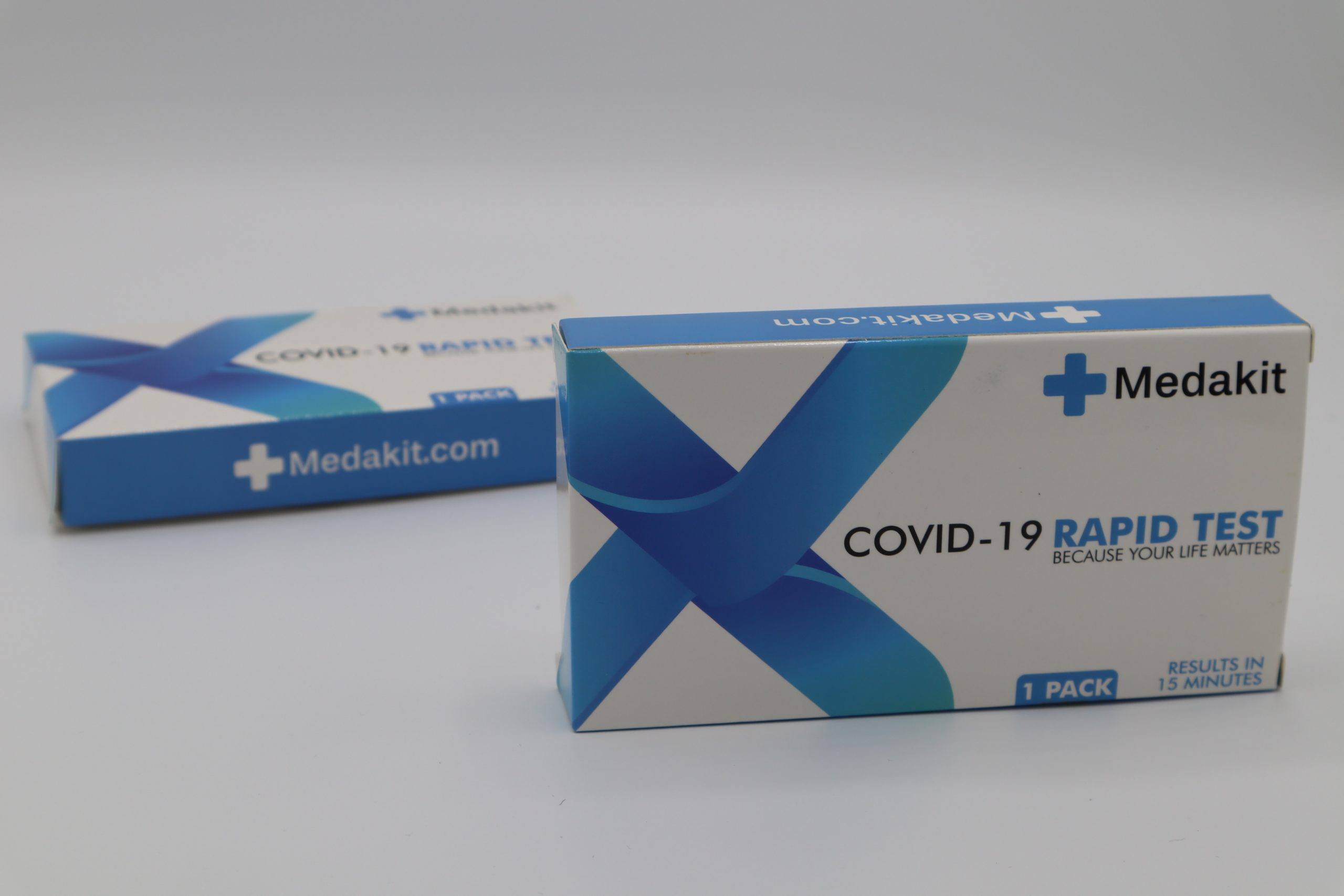
Razi Berry One of the most commonly used diagnostic tools, particularly during this pandemic, is the reverse transcriptase polymerase chain reaction test (RT-PCR), which uses

Razi Berry Users of high-potency cannabis are four times more likely to report associated problems, and twice as likely to report anxiety disorder, than users

Razi Berry Spring has sprung earlier than ever before this year, accompanied by temperatures more typical of early summertime. Many plants were already in full

Razi Berry Scientists have collected plenty of evidence linking exercise to brain health, with some research suggesting fitness may even improve memory. What happens during
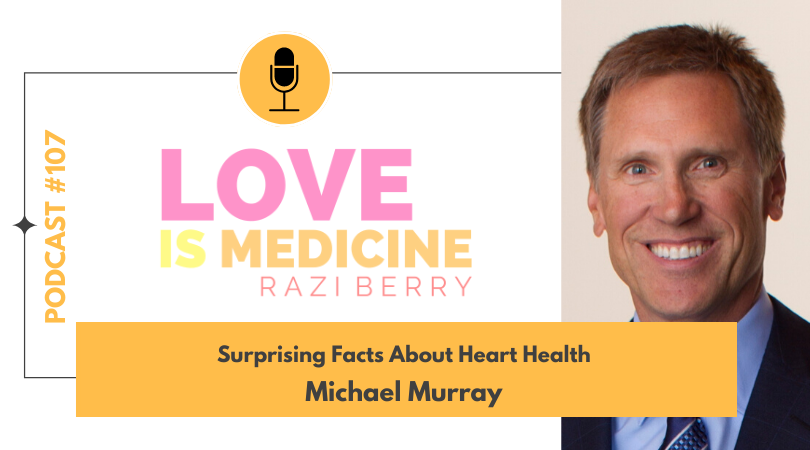
Most people think of cholesterol as the main marker of heart health, but what if there was something more? Michael Murray is one of the leading experts in the world of health and has published more than 30 books. Michael believes that health is a birthright, and is here today to share some surprising facts about heart health that most people don’t know.

Razi Berry Senior author Professor Bryce Vissel, from the UTS Centre for Neuroscience & Regenerative Medicine, said his team used novel behavioral, molecular and computational