Eastern Daisy Fleabane (Erigeron annuus) is a member of the Asteraceae family, which unfortunately for identification purposes, contains a lot of flowers that look like daisies. But, once you get into identification a bit more, you start to notice differences more easily. Although this one looks like a common daisy, it is quite a bit smaller and has very narrow ray flowers. It also has hairy leaves and stems.
The leaves are the only edible part of the plant, and can be eaten raw. However, the hairs on the leaves may make it less palatable than when the leaves are cooked.
Medicinally, all parts of the plant are used, but the leaves and flowers are most active. The plant should be collected when the flowers are in bloom. An alcohol and water tincture extracts the medicinal phytochemical compounds better than a tea, which loses the oil soluble compounds that are the most active. It is also a diuretic and astringent plant useful in diarrhea and edema. But, if it is made into an infused oil, it can can be used to stop uterine, pulmonary and other hemorrhages.
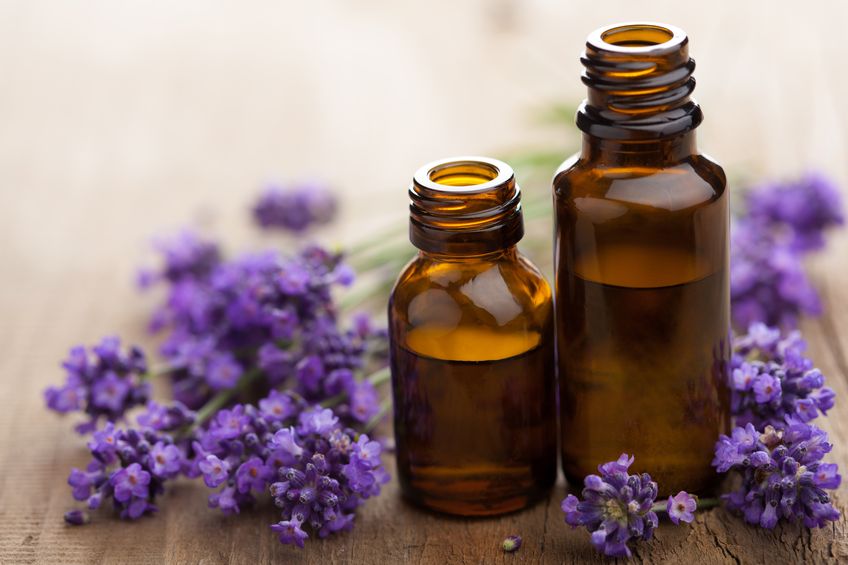
Fleabane is also made into an essential oil. In general, consumption is discouraged in all essential oils, but if the product is truly just the essential oil of the plant, without additive chemicals, it could be diluted in a carrier oil and used internally in these acute situations. I advise anyone who isn’t thoroughly versed in essential oils and how to appropriately use them, to not try this method. And learning about essential oils from any multi-level marketing company is not adequate education.
Relatively speaking, the Erigeron annuus species had more published research than some of the other plants that I have studied recently. Some of them used methanol (wood alcohol) extracts, which would never be used by an herbalist. Others used essential oils. Obviously more research in whole plant extracts and essential oils would be most beneficial to humanity because we could then make the medicines ourselves, but all science at least points us in the right direction.
- A root extract study found that it decreased acute inflammation in rats and reduced Nitric oxide, prostaglandin E2 and proinflammatory cytokines in mouse macrophages in vitro. The suggested mechanism is NF- κ B activation.
- Leaf extracts of caffeic acid have been found to be antioxidant and neuroprotective to neuronal cells, making it a possible treatment for Alzheimer’s Disease
- Essential oils were found to be antifungal towards five Candida species and antiproliferative against breast cancer MCF-7 cells
- Specific phytochemical compounds were extracted from Fleabane and individually evaluated in vitro for inhibition of advanced glycosylated endproducts and aldose reductase, two of the things that cause damage to the body in diabetes. One of the compounds had the most potent inhibitory activity, plus prevented lens opacity ex vivo, indicating it may also be beneficial in preventing cataracts.
- One compound, called erigeroflavanone prevented cellular death in glomerular mesangial cells of the kidney making it a potential treatment in renal complications by diabetes.
 Jen Williamson, ND is a native of Buffalo, New York who earned her Bachelor of Science at Gannon University in Erie, Pennsylvania and a Doctorate of Naturopathic Medicine from Southwest College of Naturopathic Medicine in Tempe, Arizona. While in medical school, she became very involved in the student community, most notably as the President of the Student Government Association. For her service, upon graduation she was given the Outstanding Leadership Award.
In the spirit of Docere, the Naturopathic principle of the doctor’s role as teacher, Dr. Williamson was an adjunct professor in the Complementary and Alternative Therapies program at Daemen College. She has had articles in a variety of publications, including Naturopathic Doctor News and Review, SheKnows.com, local Buffalo magazines and papers, as well as her own newsletter, blog and website. While practicing in Buffalo, she also offered over 30 different classes to the public at various events and locations.
In 2012, Dr. Williamson moved to Vermont to expand her practice of Naturopathic Medicine as well as provide an atmosphere that resonates with her medicine for her son, Victor, and husband, David. As a Primary Care Physician at Avalon Natural Medicine, Dr. Williamson focuses on mental/emotional, gastrointestinal, and endocrine disorders. Most of her treatment plans include a combination of nutritional, herbal and homeopathic remedies, but she has also received additional training in Hair Trace Mineral Analysis and Bowel Nosodes.