
Violence Experienced in Utero May Increase Toddlers’ Aggressive Behavior

Razi Berry Reprinted from Penn State Babies whose mothers experience interpersonal violence during pregnancy are more likely to exhibit aggression and defiance toward their mothers in toddlerhood, according to new research by Laura Miller-Graff, assistant professor of psychology and peace studies, and Jennifer Burke Lefever, managing director of the William J. Shaw Center for Children […]
HPV Vaccine May Cause Sterility in 25%

Razi Berry A recent research study has suggested that girls who have received the Human Papillomavirus (HPV) vaccine have a 25% chance of becoming sterile.1 ‘A lowered probability of pregnancy’ This information comes from a study published in the Journal of Toxicology and Environmental Health in June 2018. The study is titled, “A lowered probability […]
Omega-3 Fatty Acids Help Reduce ADHD Symptoms in Children

Razi Berry Recent research supports the use of omega-3 fatty acid supplementation to curb disruptive, even abusive behavior in children. The study was actually conducted at UMass Lowell’s School of Criminology and Justice Studies, with an intention of finding interventions that could help change disruptive childhood behavior before it turns into criminal behavior. Omega-3 fatty […]
Cannabis Use in Children with Epilepsy

Razi Berry A recent research study on the use of cannabis in treatment-resistant forms of epilepsy differs from previously held beliefs about CBD versus THC.1 The study, conducted in Australia, found that parents treating children with medical cannabis extracts saw a great reduction in epileptic symptoms, up to 75 percent, however, products surprisingly contained relatively […]
5 Tips to Prevent Social Media Addiction (it Could be Damaging Our Brains)!

Razi Berry There is growing concern surrounding social media addiction, especially in children. This concern is reasonable, and more and more researchers are beginning to study the similarities between technological addiction and drug addiction. The variable-reward of ‘Likes’ The feeling that people get when they see a ton of likes on an Instagram or Facebook […]
Current Conventional Treatments for Anxiety in Youths is Grossly Ineffective

Node Smith, ND A study published in the Journal of the American Academy of Child and Adolescent Psychiatry (JAACAP) has shown that for most children experiencing anxiety disorders, conditions will be experienced chronically even after “successful courses of evidence-based treatments.1” Pediatric anxiety disorders This is important information, considering the commonality of pediatric anxiety disorders. According […]
ADD/ADHD Medications Account for Many Calls to Poison Control

Node Smith, ND A study facilitated by the Center for Injury Research and Policy and the Central Ohio Poison Centre at Nationwide Children’s Hospital saw more than 156,000 phone calls to US Poison Control Centers specific to ingestion of attention-deficit hyperactivity disorder (ADD/ADHD) drugs.1 The calls were all pertinent to individuals 19 years of age […]
Are High-Tech Baby Toys Decreasing Language Development?

Node Smith, ND A very interesting article from JAMA Pediatrics, recently suggested that infant toys that produce words, songs and lights may be causing a decrease in the quantity and quality of language development.1 The study found an association between these “whiz-bang” games and toys and a decrease in language quality/quantity compared to more traditional […]
Study Found Yoga and Mindfulness Helps Elementary School Students Manage Stress

Node Smith, ND We are increasingly becoming aware that stress and anxiety are mental concerns for our children. Social media, increased toxic exposure, and general chaos and pressure has created a much different world for our youngsters to navigate than similar age groups even 25 years ago. Finding methods and tools to help our children […]
Survey Reveals Antibiotic Overprescribing for Children in Hospitals
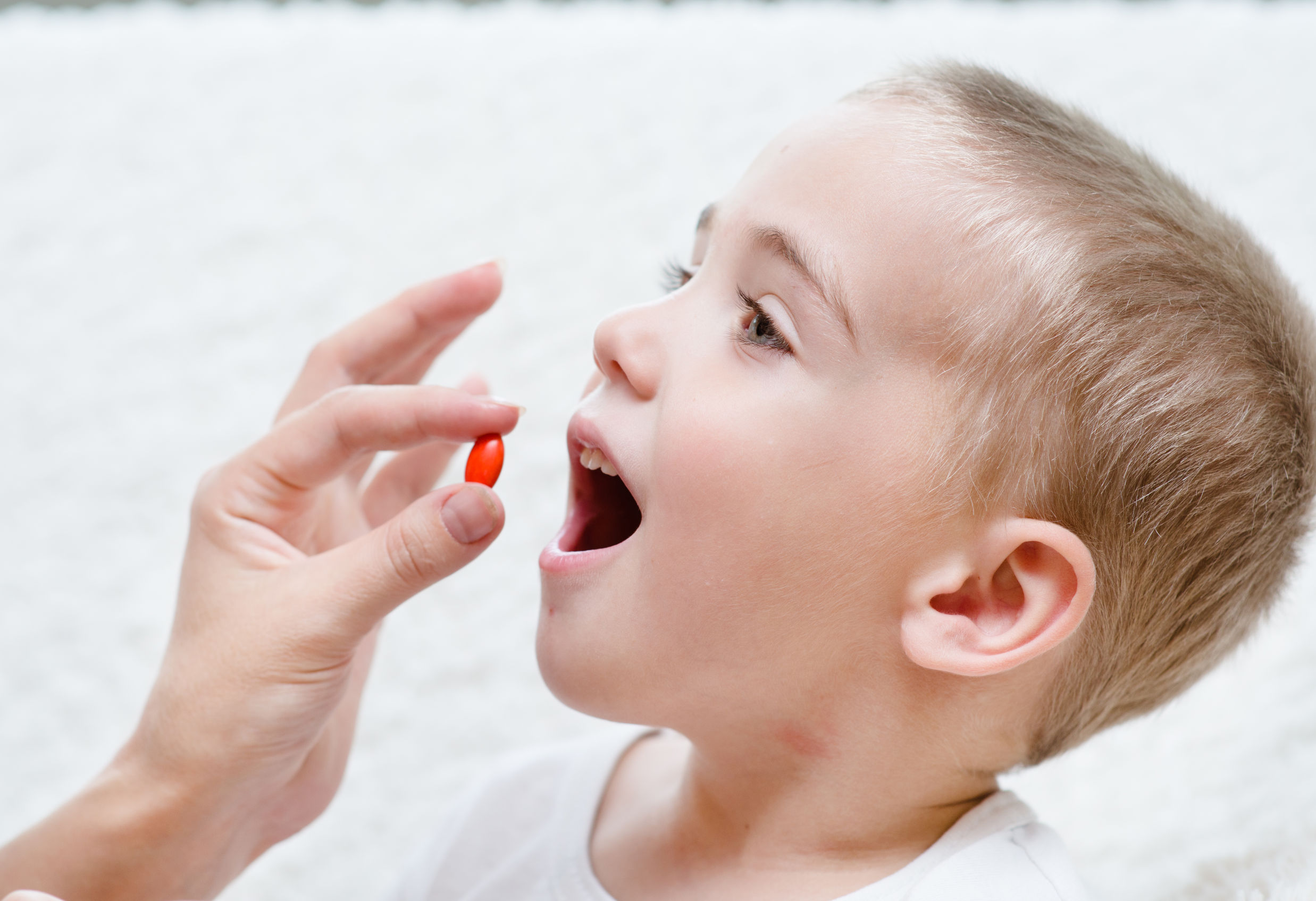
Node Smith, ND A recent study on antibiotic prescribing patterns has estimated that approximately a third of all antibiotics prescribed for children, globally, are meant to prevent potential infection rather than treat a current infection or disease.1 The published findings were part of a worldwide survey and can be found in the Journal of the […]